Is Steel Furniture Durable?
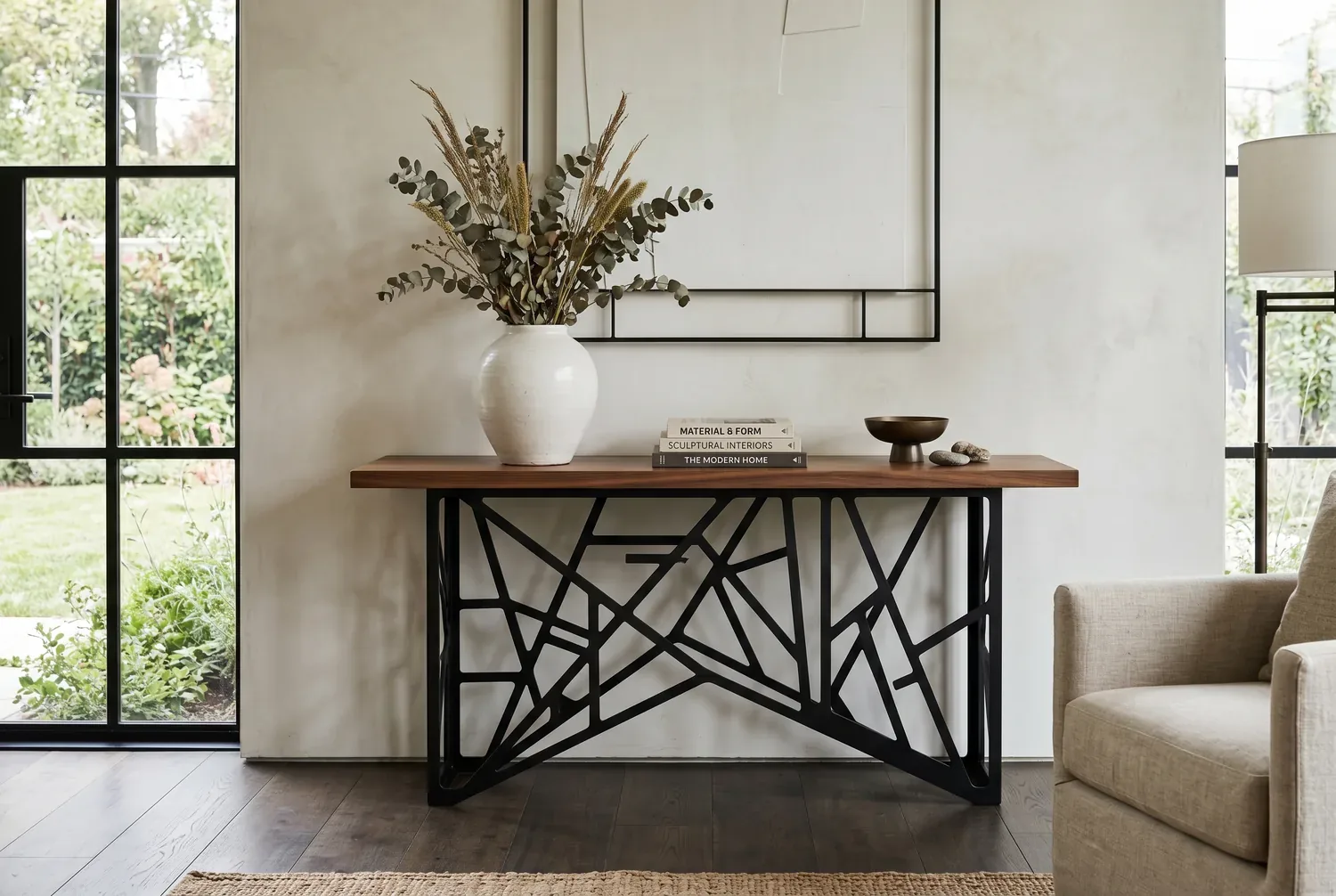
The short answer is yes — but the longer answer is more useful.
Steel furniture built and finished correctly will last 10 to 15 years as a baseline, and in many cases significantly longer. That lifespan isn't accidental — it's the result of the right material specification for the environment, a proper powder coat finish applied before the piece leaves the workshop, and a manufacturing process that anticipates how the furniture is going to be used. Get those three things right and durability isn't a question.
Here's what actually determines how long your steel furniture lasts.
10 to 15 Years: What That Number Actually Means
When we say 10 to 15 years, we mean a piece that still looks intentional and performs structurally — not one that's merely still standing.
That figure applies to well-specified, correctly finished steel furniture used in the right environment. A powder-coated mild steel bench in an inland garden, used normally, will comfortably reach that lifespan with minimal intervention. A piece in a high-traffic commercial environment — a padel court, an adventure park, a school courtyard — may need attention sooner depending on the intensity of use, which is why we increase material thickness for those applications from the start. The environment and the usage pattern both feed into how long a piece lasts, and both are accounted for before anything is manufactured.
Longevity is designed in — not hoped for. Before you buy, make sure you're asking the right questions — our guide on what to ask when buying furniture covers exactly this.
The Biggest Threat: Rust — and How Powder Coating Stops It
Rust is the primary enemy of steel furniture, and powder coating is the primary defence against it.
Every piece we manufacture at Deco Zoosh is powder coated before it leaves the workshop. The coating forms a sealed, impact-resistant barrier over the entire surface of the steel, blocking the moisture and oxygen that cause oxidation. As long as that barrier is intact, rust cannot take hold. The risk comes when the coating is breached — a chip from an impact, a drill hole made post-coating during installation, or a scratch from heavy use. This is why we do all preparation work before powder coating, not after, and why we specify the right base material for the environment from the start.
Protect the coating and you protect the steel.
Coastal vs Inland: Why Location Changes Everything
Mild steel powder coated is an excellent specification for inland environments — but it is the wrong choice for coastal ones.
Salt air is more corrosive than ordinary moisture, and it finds its way through even well-applied powder coating over time. For any installation within roughly 10 to 15 kilometres of the ocean — and especially for beachfront or sea-facing properties — we specify aluminium or stainless steel instead. These materials don't rust in the way mild steel does, which means the coastal environment that would eventually compromise a mild steel piece has no equivalent effect on them. It's a higher upfront cost, but it's the cost of furniture that actually lasts in the environment it's going into.
Tell us where the furniture is going before we specify what it's made from.
What About Fading?
Powder coating fades over time — and that's worth knowing upfront rather than discovering later.
Like any exterior paint or coating, prolonged UV exposure will gradually affect the vibrancy of the colour. It's a slow process, and it's more pronounced on pieces in direct sun than those in shaded or indoor settings. The honest comparison here is with wood: timber doesn't fade the same way, but it deteriorates in its own ways — splitting, warping, rotting, and breaking down structurally — often far sooner than powder-coated steel shows any meaningful colour change. Fading is an aesthetic consideration. Structural deterioration is a safety and replacement one. Steel wins that comparison clearly. For a full breakdown, read our steel furniture vs wood comparison.
A piece that fades slightly after a decade is still a piece worth keeping.
When Something Goes Wrong: Restoration Is Easier Than You Think
We've had pieces come back to us with rust — usually from a coastal installation where mild steel was specified, or from a coating that was compromised during installation.
In every case, the resolution was straightforward: strip the piece back, treat the affected area, and recoat. The steel structure itself was sound. What looked like a serious problem on the surface was a finishing issue, not a structural one, and the cost of restoration was a fraction of what replacement would have been. This is the fundamental advantage of steel over most alternative materials — when it needs attention, it can be brought back. Wood that has rotted, plastic that has cracked, or aluminium that has corroded past the surface layer doesn't offer the same options.
Steel furniture that needs work can almost always be saved — and saved cheaply.
Steel vs Wood on Durability: The Straight Answer
Steel outlasts wood — and it takes more punishment along the way.
Wood is a natural material and it behaves like one: it responds to moisture, temperature, UV, and impact in ways that are difficult to fully protect against. Sealing, oiling, and painting help, but they require ongoing maintenance and they don't stop the underlying material from eventually splitting, warping, or rotting. Steel, properly finished and correctly specified for its environment, doesn't have those vulnerabilities. It holds its shape, holds its structure, and can be refinished when the surface needs attention.
Metal outlasts wood — and there really isn't a close argument.
Built to Last From the Start
Durability in steel furniture isn't a feature — it's a consequence of getting the specification right.
At Deco Zoosh, every piece we manufacture is powder coated, built to the correct material spec for its environment, and sized and gauged for the intensity of use it's going to face. To understand all the ways steel furniture delivers value beyond just durability, read about the full benefits of steel furniture. And if you're still deciding whether it's the right fit for your home, our guide on whether steel furniture is right for your home will help.
Visit the Deco Zoosh homepage to browse our range.